Welcome to Our Research Archive
Search and filter by content type, issue area, author, and keyword
June 9, 2016
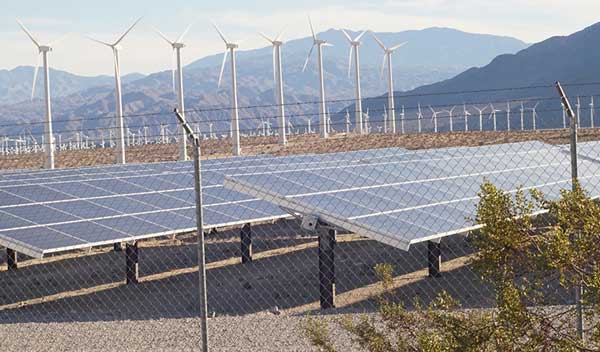
Comment for the Federal Trade Commission: Competition and Consumer Protection Issues in Solar Power
This note responds to the FTC request for public comment attendant upon the workshop scheduled for June 21, 2016 on the topic “Competition and Consumer Protection Issues in Solar Power,” as described on the FTC website, and detailed in a pdf document with that title. That document here is referenced as “the FTC discussion paper.” Read the PDF.
June 6, 2016
The Magic of the EPA’s Benefit/cost Analysis
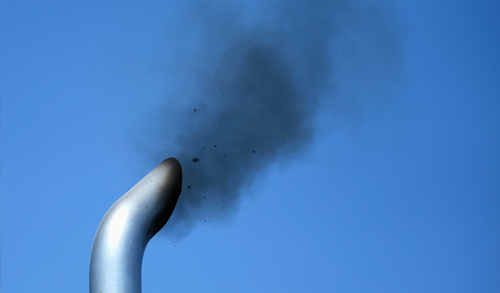
Benefit/cost analysis: It sounds so scientific, so rational, so impartial. So sound as a tool with which to resolve conflicting assertions about the wisdom of regulatory proposals. So divorced from partisanship or ideological influence. A truck engine is tested for pollution exiting its exhaust pipe in California. REUTERS/Mike Blake Oh, please. Democracy is the art…
January 19, 2016
Subsidizing the Rich Through California’s Solar Scheme
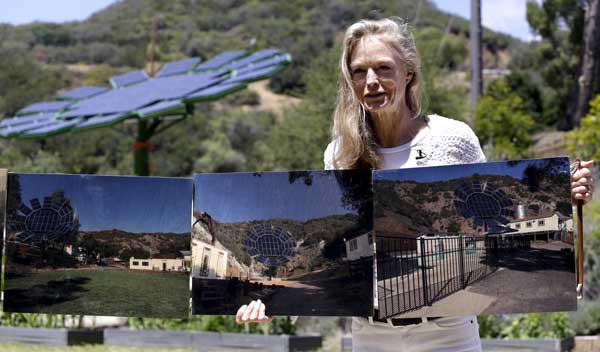
Residential consumers of electricity in California pay almost 17 cents per kilowatt-hour (kWh), a price higher than those of every other state in the lower 48, except New York and five of the New England states. The average for the nation as a whole is about 12.7 cents per kWh. Neighboring states in the Pacific…

November 6, 2015
On Chinese Coal, the UN Vs. The New York Times
Good things come to those who wait, and the waiting is minimal when it comes to the endless stream of entertaining silliness offered by the U.N. climate-change bureaucracy. On November 3, Christiana Figueres, the executive secretary of the U.N. Framework Convention on Climate Change, informed us that “China has taken an undisputed leadership” in terms…

August 14, 2015
Solving the Puerto Rico Electric Power Authority Debt Problem
Puerto Rico and its various government entities owe creditors $72 billion, an enormous debt that Gov. Alejandro García Padilla has described as “unpayable.” Over 11 percent of that total is owed by the Puerto Rico Electric Power Authority (PREPA), now in negotiations with its creditors to reduce and to stabilize its debts over the long…
August 5, 2015
President Obama’s Clean Power Plan: All Cost, No Benefit
On Monday President Obama announced the final “clean power plan” regulation for greenhouse gas emissions from electric generating plants, the centerpiece of the broader Climate Action Plan being implemented by the Environmental Protection Agency. Amid the many assertions about the looming climate crisis confronting “the planet,” about which more below, one central parameter was conspicuous by its absence. To wit: What…

August 4, 2015
Crude Oil Exports and the Price of Gasoline
Government policies virtually without exception create economic distortions, so that policy reform can yield results highly counterintuitive. That is the case with the emerging effort to end the current U.S. ban on the export of crude oil, enacted as part of the 1975 Energy Policy and Conservation Act. The ban was justified as a tool…

June 17, 2015
Time to End Federal Interference with Free Trade in Crude Oil
The current ban on exports of U.S. crude oil was enacted as part of the 1975 Energy Policy and Conservation Act, and was justified on the basis of two fallacies. First: That the 1973 Arab OPEC oil “embargo” was the cause of higher oil prices and the gasoline lines and other market disruptions experienced in…

June 10, 2015
Puerto Rico’s Debt Crisis and the Siren Song of After-the-fact Bankruptcy
Sometimes debt burdens become deeply burdensome. And if you’re the debtor, wouldn’t it be nice to find a way to avoid hard decisions by reneging on past agreements on repayment, that is, to change the rules after much of the game has been played? A bill before Congress, the “Puerto Rico Chapter 9 Uniformity Act…
June 7, 2015
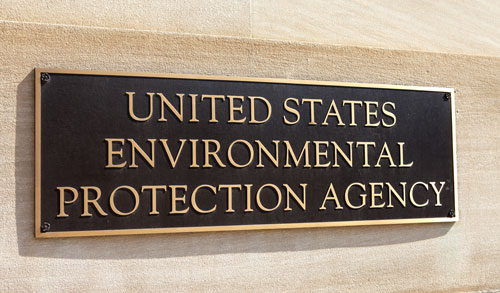
The EPA’s ‘Clean Power’ Mess
‘Flexibility” is the advertised hallmark of the Environmental Protection Agency’s proposed Clean Power Plan, which by 2030 would reduce carbon-dioxide emissions from U.S. power plants by 30% from 2005 levels. The central feature of the plan is a forced shift away from inexpensive coal-fired power. Not to worry, says EPA Administrator Gina McCarthy: “With EPA’s…